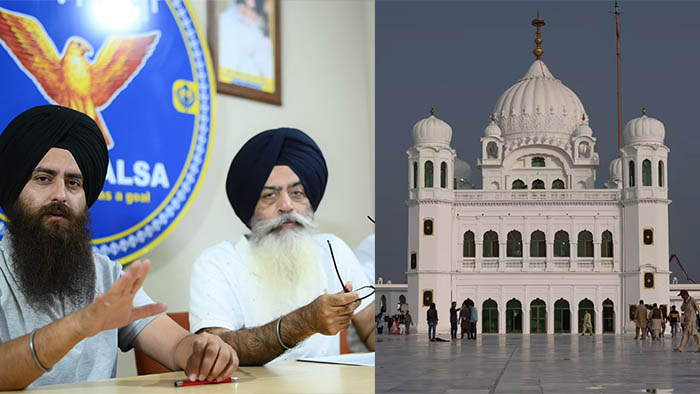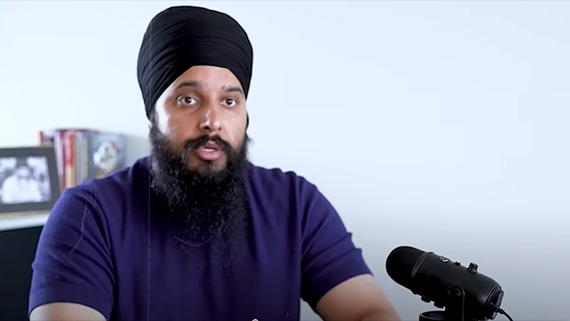
For over a year, Canada and India have been locked in a tense diplomatic standoff. Canadian agencies have accused the Indian government and its operatives of targeting South Asian communities—particularly Sikhs in Canada—through transnational repression. These allegations include espionage, assassinations, arson, targeted shootings, extortion rackets, and a range of other coordinated actions. Canada’s Foreign Interference Commission identified India as the second-largest source of foreign interference in the country, following China. However, following the re-election of John Kearney as Prime Minister under the Liberal Party, the situation appears to be shifting. Confronted with new trade tariffs imposed by the Donald Trump-led U.S. administration, and guided by its Indo-Pacific strategy, the Canadian government is making efforts to mend ties with India. In a significant diplomatic move—despite strong domestic opposition—Prime Minister Mark Carney extended an invitation to Indian Prime Minister Narendra Modi to attend the G7 Summit. This change in approach is not entirely unexpected. In an earlier interview with Sikh Siyasat, Bhai Moninder Singh of the Sikh Federation Canada had predicted that geopolitical and economic considerations would eventually outweigh political tensions, and that governments would prioritize their trade and strategic interests. Nevertheless, this shift in relations is unfolding without any meaningful effort by the Canadian government to hold those accountable for serious violations of Canadian sovereignty. To analyze this recent development—its causes and potential consequences—journalist Mandeep Singh spoke with Prabjot Singh of the Sikh Federation Canada. A lawyer by profession, Prabjot Singh represented the organization before the Foreign Interference Commission established by the Canadian government. Watch the full interview and share it with others.