

RAYYA, AMRITSAR — In a resolute stance against the rising incidents of sacrilege, Dal Khalsa has made an earnest appeal to Giani Kuldeep Singh Gargajj, SGPC appointed acting Jathedar of the Akal Takht Sahib, urging him to look towards the Panth rather than the government for justice. According to the written release issued by the organization—a copy of which is available with the Sikh Siyasat News (SSN)—the community must rely on its own strength and traditions to combat blasphemy instead of seeking new legislative measures from the state.
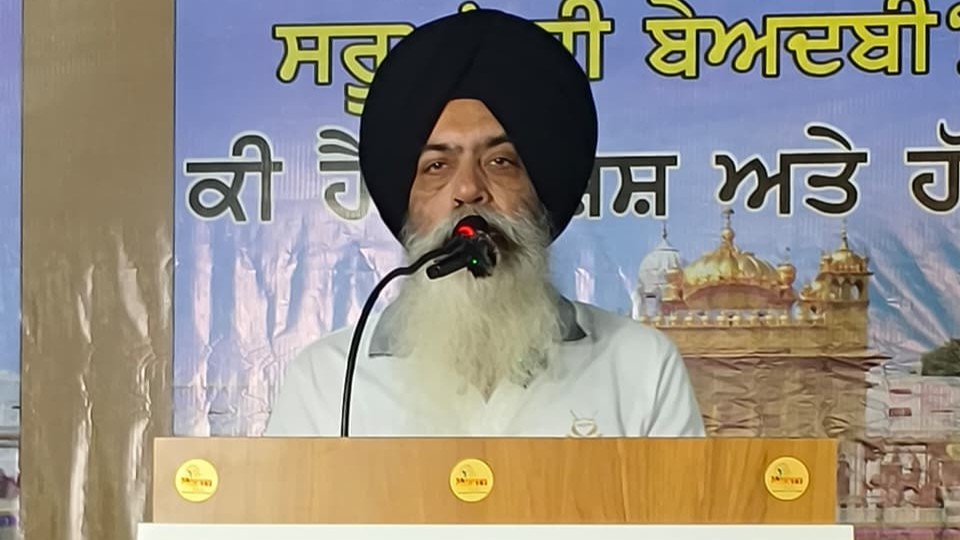
During a seminar held in Rayya, near Amritsar, Dal Khalsa unanimously passed a resolution addressing the critical issue of protecting the sanctity of Guru Granth Sahib.
“We appeal to the Jathedar Akal Takht to take steps and actions to prepare the Khalsa Panth to responsibly and boldly face and respond to such challenges as per Sikh jujharoo traditions rather than leaning before the government to frame any new law,” the resolution stated.
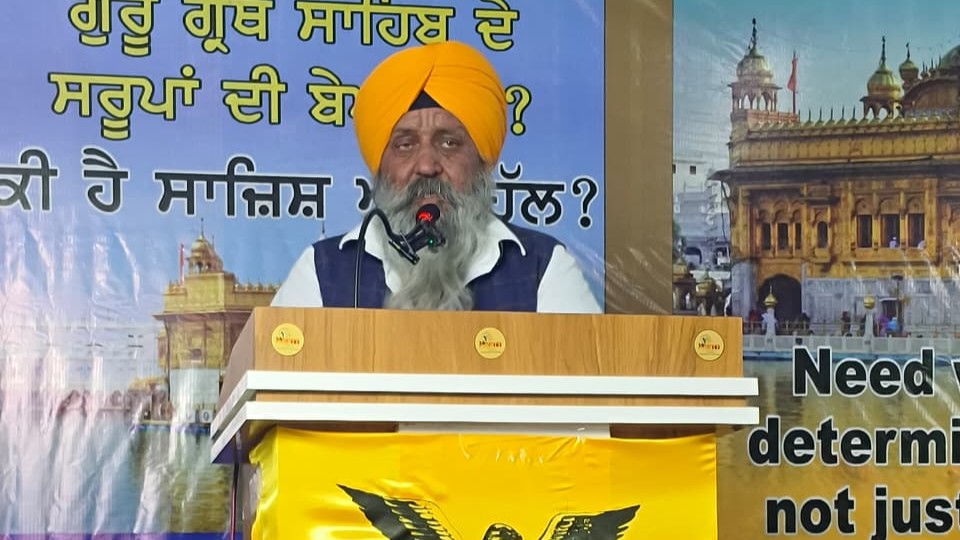
The organization also directed a strong message to the Shiromani Gurdwara Parbandhak Committee (SGPC), advising the apex body to deeply consider the opinions of a cross-section of the Sikh community, including intellectuals and legal minds, rather than strictly following the “party line of their political masters.”
Stressing that respect for the Shabad Guru is paramount, the written statement clarified that the Sikhs would maintain a “zero-tolerance” policy for any disrespect, whether by default or design.
“We unequivocally say that the community, in its wisdom, would devise systems to deal with this growing menace,” read another resolution, asserting that the Sikh people should never be seen as lachaar (helpless) in their fight against sacrilege. A strong will and determination, not laws, are needed to tackle the menace.
Highlighting a historical lack of faith in the Indian judicial system, Dal Khalsa spokesperson Kanwar Pal Singh noted the fundamental flaw in relying on the courts. “Whenever we talk about recourse to Khalsa tradition, we are accused of taking the law into our own hands. So then, what should we do? Let us face it. We have a very bitter experience of how this country’s legal system has totally failed the Sikhs in all respects since April 1978, when the government of the day instead of punishing the neo-Nirankaris for their blasphemous actions, shielded them,” he said.
This sentiment of rejecting state intervention was echoed widely throughout the seminar.
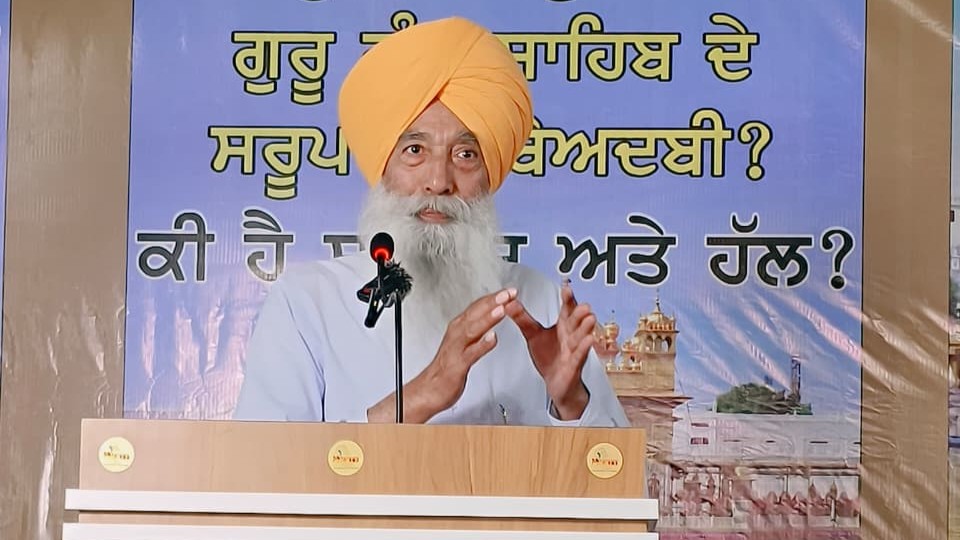
Making his stand clear, Sikh activist Bhai Narain Singh Chaura categorically declared, “We do not need any law, and I strongly oppose all moves to frame laws. My Guru is beyond the domain of any governmental protection or law.”
Sikh Collective Convenor Jagmohan Singh warned that any step towards adopting a legal approach is “fraught with danger,” noting the community is already facing a huge problem of crisis of confidence with respect to Gurdwara legislation since the last century.

Paramjit Singh Mand criticized the current systemic failures, stating, “Ironically, in the present system and situation, the law isn’t being allowed to take its own course, courtesy the powers that be.” He added that lest we forget, the conspirators—pseudo-religious and political, who are still to be exposed—are the most dangerous sections to be dealt with.

Working President of Shiromani Akali Dal (Amritsar) Eman Singh Mann challenged the state’s sincerity, stating, “Before going for a new law, let the government first show its resolve and grit and deal with such incidents of the past which still remain unresolved, with utmost urgency by using the existing laws in letter and spirit.”

The organization noted that the Sikh community’s experience with law and justice is open for the world to see. The administration, the executive, and the judiciary have failed the Sikhs, and now to think that they are being gracious in enacting a law for the Satkar of Guru Granth Saheb is not only naive but also sanctimonious.
SGPC member Kulbir Singh Bara Pind struck a discordant and forceful note during the seminar, issuing a clear warning: “Make no mistake, any person, group, institution, schismatic cult—Sikh or non-Sikh, who attempts to denigrate and desecrate Guru Granth Saheb and Gurbani will have to face the wrath of the Khalsa Panth.”

The Dal Khalsa statement concluded with a firm declaration that the prevention of sacrilege before it occurs remains the most challenging task for the Panth. The legal approach follows only after the blasphemy is committed, and it is time that the Khalsa Panth sets an example that sends a stern message before anyone dares to commit blasphemy. Under no circumstances should truth be compromised at the altar of AAP and Shiromani Akali Dal (Badal) politics.